US EPA
Is radon really bad for you?
Breathing radon over time increases your risk of lung cancer. Radon is the second leading cause of lung cancer in the United States. Nationally, the EPA estimates that about 21,000 people die each year from radon-related lung cancer. Only smoking causes more lung cancer deaths.
If you can keep your interior radon degrees at 2 pCi/L or reduced, you'll deal with really reduced enhanced danger of developing lung cancer because of radon. When you reach the 1.3 pCi/L level that is normal for indoor air, only 2 non-smokers out of 1,000 will create lung cancer specifically because of the exposure.
Mistakes in retrospective exposure analysis can not be eliminated in the searching for at reduced levels. Other researches right into the impacts of domestic radon direct exposure have actually not reported a hormetic effect; consisting of as an example the respected "Iowa Radon Lung Cancer Research" of Field et al., which likewise utilized innovative radon exposure dosimetry.
Is radon mitigation really necessary?
When radon gas enters the body, it exposes the lungs to small amounts of radiation. In small quantities, experts say this is harmless. However, in persistent exposures or larger quantities, radon can damage the cells of the lining of the lungs, increasing a person's chance of developing lung cancer.
At the time of our documentation (January 2011), Maryland was the only state without any type of radon control program. Additionally, 3 other states had programs that consisted only of online info about radon or maps of radon levels in the state.
- Your danger of lung cancer raises significantly with exposure to higher radon levels.
- Lung cancer danger rises 16% per 2.7 pCi/L increase in radon exposure.
- Radon gas is a naturally-occurring result of the radioactive decay of Uranium in the soil.
- Relying on your geographic place, the radon degrees of the air you breathe beyond your home might be as high as 0.75 pCi/L.
- The national standard of outdoors radon degrees is 0.4 pCi/L and it is estimated by the National Academy of Sciences that outside radon levels cause roughly 800 of the 21,000 radon generated lung cancer fatalities in the United States yearly.
- The US EPA has actually placed it simply, specifying, "Any kind of radon direct exposure has some risk of triggering lung cancer.
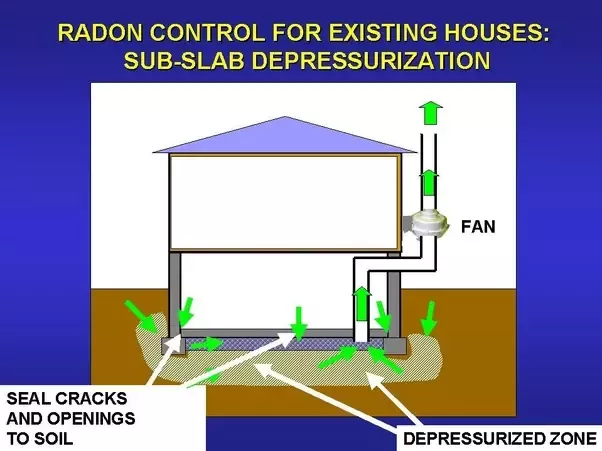
How do you eliminate radon?
Possible symptoms include shortness of breath (difficulty breathing), a new or worsening cough, pain or tightness in the chest, hoarseness, or trouble swallowing. If you smoke and you know you've been exposed to high levels of radon, it's click here very important to quit smoking.
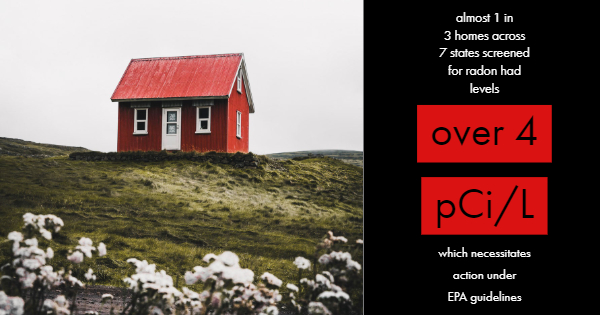
If the examination results show radon levels at or over 4 pCi/L (picocuries per liter), the EPA advises doing a 2nd test to confirm the first searchings for. House owners can take steps to decrease the radon focus if the average of the two temporary radon tests is 4 pCi/L or better. The EPA notes that because there is no risk-free degree of radon gas direct exposure, lowering radon to below 2 pCi/L also helps in reducing the number of radon-related lung cancers. Take a breath enough radon over the years, and also it can raise your threat of lung cancer.
What are the symptoms of radon in your home?
If a person has been exposed to radon, 75 percent of the radon progeny in lungs will become "harmless" lead particles after 44 years. When an alpha particle damages a cell to make it cancerous, the onset of lung cancer takes a minimum of 5 years but most often 15 to 25 years, and even longer.
Radon gas enters homes from below, via splits in the floorings and structures. With many homeowners recognizing reasonably little concerning radon gas and also its risks, there's plenty to discover before tackling the issue. Comprehending the extent of radon exposure, the components of the country with the highest degree of gas production, and reduction prices will certainly prepare you for tackling the obstacle. This is among the most commonly asked concerns after, "What is radon testing?" The dirt under your residence isn't a random mix of dust. You can not inform simply by looking, yet there are some contaminated elements that make up typical minerals as well as rocks found http://riverzpue260.wpsuo.com/what-causes-radon-in-basements mixed right into the soil across the country.
How long does it take for radon to cause cancer?
Fact: You will reduce your risk of lung cancer when you reduce radon levels, even if you've lived with an elevated radon level for a long time. Keep in mind that radon levels below 4 pCi/L still pose some risk and that radon levels can be reduced to 2 pCi/L or below in most homes.